
The DOGE Data Scandal and Fed Independence: Why Musk’s team accessing private records threatens democracy
In early 2025, an unprecedented controversy erupted in the United States involving the so-called Department of Government Efficiency (DOGE) — a federal task force closely associated with billionaire Elon Musk under the second Trump administration. Designed ostensibly to cut waste and “modernize” government systems, DOGE rapidly became embroiled in a sweeping privacy and governance crisis
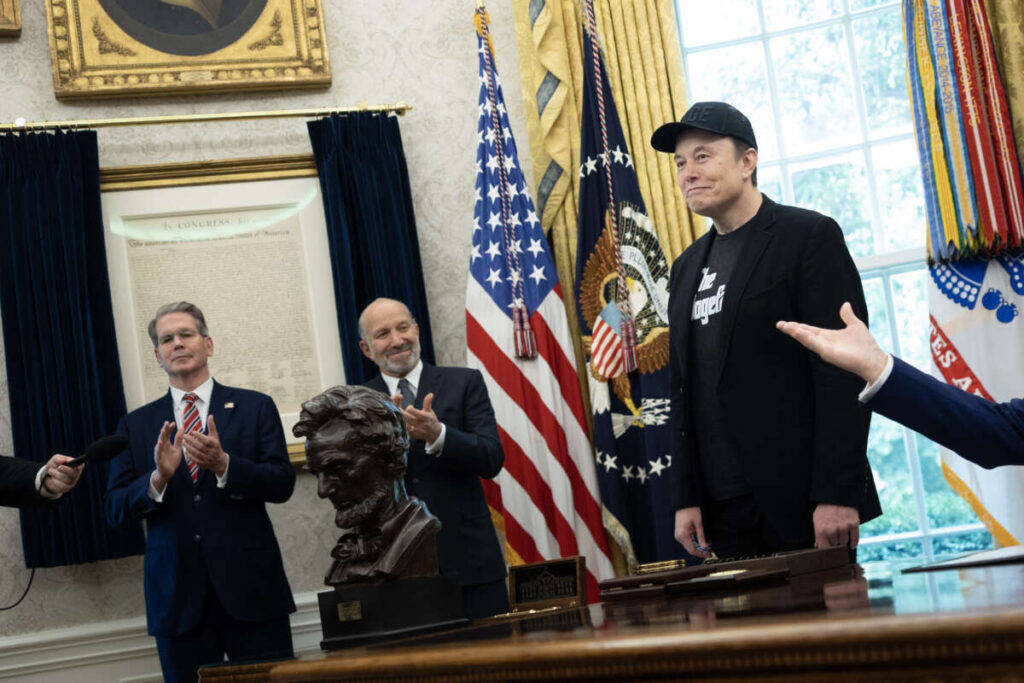
In early 2025, an unprecedented controversy erupted in the United States involving the so-called Department of Government Efficiency (DOGE) — a federal task force closely associated with billionaire Elon Musk under the second Trump administration. Designed ostensibly to cut waste and “modernize” government systems, DOGE rapidly became embroiled in a sweeping privacy and governance crisis as it sought or obtained access to vast troves of sensitive federal data, provoking lawsuits, judicial orders, and bipartisan alarm over threats to democratic norms and institutional independence.
A New Federal Power Center With Sweeping Access
DOGE was created by executive order shortly after the 2025 presidential inauguration with the mission of rooting out inefficiencies across federal agencies. According to reports, the initiative was granted access to internal government platforms, including databases that store financial and personal data for millions of Americans. Critics warned this encompassed payment systems from the Treasury Department, personnel files from the Office of Personnel Management, and even Social Security information.
This access prompted immediate legal action: a coalition of 19 states sued to block DOGE’s access to taxpayer records, citing risks to privacy, data security, and statutory violations of the federal Privacy Act of 1974. A federal judge in New York granted a preliminary injunction, ruling that such access could cause “irreparable harm” due to the sensitivity of the data at stake.
Concrete Allegations of Privacy Violations
Civil liberties organizations, labor unions, and public interest advocates filed lawsuits against DOGE and federal agencies, alleging unauthorized data collection or “theft” of private information. Unions representing millions of workers joined personal injury plaintiffs in challenging what they called an unprecedented breach of privacy rights, particularly involving records housed in the Departments of Education, OPM, and other agencies.
Judicial scrutiny extended beyond state actions: courts also issued orders requiring DOGE to delete personal data taken from Social Security systems and to halt further access until compliance with federal privacy protections could be ensured. Critics argued that DOGE’s expansive data reach far exceeded its stated mission and lacked legislative oversight or clear legal authority.
Concerns Over Separation of Powers and Federal Independence
The political and constitutional stakes have been high. Detractors argue that allowing a private individual’s team unfettered access to sensitive federal systems undermines the independence of federal institutions like the IRS and Treasury, which traditionally operate with carefully guarded cybersecurity and strict legal limitations on data sharing. Courts and state attorneys general highlighted that the Trump administration’s decision to grant such access may violate not only privacy laws but also fundamental principles of separation of powers by bypassing standard safeguards.
This concern is not merely academic. Federal payment systems process trillions of dollars annually in Social Security benefits, Medicare payments, tax refunds, and other essential services. Allowing external actors, even those designated as efficiency specialists, to view or influence these systems raises questions about politicized interference in civilian government functions, a scenario many civil liberties experts deem incompatible with democratic governance.
Risks to Democratic Accountability
At the heart of the controversy is the fear that access to private records — including financial, employment, tax, and benefit data — could be exploited in ways that extend beyond administrative efficiency. Lawmakers from both parties have warned that such data could be misused to target political opponents, manipulate public discourse, or compromise individual freedoms if released or leveraged without appropriate checks. Some critics have likened the setup to a de facto privatization of governmental oversight functions, with inadequate transparency or accountability.
This runs counter to long-standing norms of federal independence. Agencies like the IRS and OPM have traditionally guarded their data under strict statutory and constitutional protections to ensure citizen trust and protect against abuses of power. The influx of outside personnel — including young private sector operatives with limited security vetting — into these systems, and reports that internal monitoring mechanisms were disabled, deepened concerns about systemic risks and misuse.
Judicial and Legislative Responses
The judiciary has played a central role in reining in DOGE’s data access. Courts have repeatedly blocked or limited the scope of data transfers, demanding compliance with the Privacy Act and requiring removal of improperly obtained information. Meanwhile, congressional lawmakers have called for oversight hearings and potential legislative reforms to clarify the boundaries of executive authority and protect federal data infrastructure.
Even as some legal battles continue — including challenges to data retention and ongoing injunctions — the DOGE episode highlights an essential tension in democratic systems: the balance between technological innovation or efficiency and the protection of individual rights and institutional integrity.
A Broader Democratic Threat?
The DOGE data scandal serves as a stark reminder that unchecked access to personal and governmental information can undermine democratic legitimacy. When private individuals or partisan entities gain undue influence over public data systems, the potential for abuse — whether for political targeting, economic manipulation, or erosion of institutional trust — grows significantly.
As the United States grapples with these issues, the resolution of the DOGE controversy could set important precedents for how democracies guard sensitive information, maintain political neutrality in federal operations, and ensure that the pursuit of efficiency does not come at the cost of fundamental rights.
Vaccine Autonomy vs. Public Health: Should polio and measles shots really be optional in 2026?

Myanmar Five Years After the Coup: Military elections entrench tyranny—time for global isolation?

Immigration Crackdowns in Minnesota: When enforcement crosses into racial profiling and state rebellion

From Ceasefire to Reconstruction in Gaza: Why U.S.-brokered deals risk becoming another illusion of peace

Trump’s Paris Agreement Exit: A shortsighted betrayal that leaves the Global South to pay the climate price