Vaccine Autonomy vs. Public Health: Should polio and measles shots really be optional in 2026?
As the world moves deeper into 2026, a debate once thought settled has returned to the center of public policy: should vaccines against polio and measles—two of the most contagious and potentially devastating diseases—be optional rather than mandatory? Framed by some as a matter of personal freedom and bodily autonomy, the question has profound implications
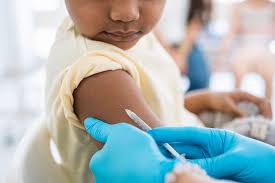
As the world moves deeper into 2026, a debate once thought settled has returned to the center of public policy: should vaccines against polio and measles—two of the most contagious and potentially devastating diseases—be optional rather than mandatory? Framed by some as a matter of personal freedom and bodily autonomy, the question has profound implications for public health, global disease control, and social responsibility.
The renewed controversy comes at a time when vaccination rates have declined in several countries, outbreaks of preventable diseases have re-emerged, and trust in public institutions remains fragile. The tension between individual choice and collective safety is no longer theoretical—it is playing out in schools, courts, and legislatures.
The Public Health Case for Mandates
Polio and measles are not ordinary illnesses. Measles is one of the most contagious viruses known, capable of spreading through the air and infecting up to 90 percent of unvaccinated people exposed. Polio, while now rare in many regions, can cause irreversible paralysis and remains endemic or at risk of resurgence in parts of the world.
Vaccination programs have been extraordinarily successful in reducing both diseases. Global polio cases have dropped by more than 99 percent since the late 20th century, while measles deaths declined sharply following widespread immunization campaigns. These gains, however, depend on maintaining high vaccination coverage—typically above 90 to 95 percent—to achieve herd immunity.
When vaccination becomes optional, coverage often falls below this threshold. Public health experts warn that even small declines can open the door to outbreaks, particularly in densely populated or highly mobile societies.
Vaccine Autonomy and the Rise of Skepticism
Opponents of mandatory vaccination argue that medical decisions should rest with individuals or parents, not the state. They cite concerns about government overreach, personal liberty, and mistrust of pharmaceutical companies or health authorities. In recent years, these arguments have gained traction through social media, political polarization, and broader skepticism toward expert institutions.
In some countries, lawmakers have responded by expanding exemptions or weakening school-entry vaccine requirements. Proponents describe this as respecting diversity of belief. Critics counter that it shifts risk from those who refuse vaccines onto the broader community—especially infants, immunocompromised individuals, and those who cannot be vaccinated for medical reasons.
Real-World Consequences of Optional Policies
The consequences of making vaccines optional are no longer hypothetical. Recent measles outbreaks in multiple regions have been traced to communities with low vaccination uptake, often linked to misinformation or relaxed enforcement of vaccine requirements. Health systems, already strained by other challenges, have been forced to divert resources to contain outbreaks that were once preventable.
Polio presents an even starker warning. Though eliminated in many countries, it remains only a plane flight away. In recent years, vaccine-derived polio strains have been detected in wastewater and sporadic cases have appeared in areas with declining immunization. Public health officials stress that abandoning strict vaccination policies risks undoing decades of progress.
The Ethical Balance: Rights vs. Responsibilities
At the heart of the debate lies an ethical question: where does personal autonomy end when individual choices pose risks to others? Liberal democracies routinely accept limits on individual behavior—such as seatbelt laws or smoking bans—when public safety is at stake. Vaccine mandates, proponents argue, fall into the same category.
Public health ethics emphasize proportionality and necessity. Mandates for polio and measles are typically justified because the benefits are overwhelming, the risks of vaccination are extremely low, and the societal harm of outbreaks is substantial. Making these vaccines optional, critics argue, prioritizes abstract notions of freedom over tangible harm prevention.
Global Implications in an Interconnected World
In a globalized era, vaccination policy is not purely domestic. International travel, migration, and trade mean that outbreaks in one country can quickly affect others. Optional vaccination policies in wealthier nations also undermine global eradication efforts, sending mixed signals to countries still battling endemic disease.
Global health organizations have repeatedly warned that complacency in high-income countries threatens worldwide disease control. Polio eradication, in particular, requires near-universal commitment; any backsliding increases costs, prolongs risk, and endangers vulnerable populations globally.
Looking Ahead
The debate over vaccine autonomy versus public health is unlikely to disappear. Rebuilding trust through transparent communication, robust safety monitoring, and community engagement remains essential. However, many experts argue that trust alone cannot replace policy when the stakes are this high.
As 2026 unfolds, the evidence suggests that making polio and measles vaccines optional carries significant risk with little demonstrable benefit. The success of past vaccination campaigns was not accidental—it was the result of coordinated, collective action backed by policy.
The choice facing policymakers is not merely about individual preference. It is about whether societies are willing to accept preventable disease, disability, and death in the name of autonomy—or whether they will reaffirm the principle that public health is a shared responsibility.
The DOGE Data Scandal and Fed Independence: Why Musk’s team accessing private records threatens democracy

Myanmar Five Years After the Coup: Military elections entrench tyranny—time for global isolation?
Immigration Crackdowns in Minnesota: When enforcement crosses into racial profiling and state rebellion

From Ceasefire to Reconstruction in Gaza: Why U.S.-brokered deals risk becoming another illusion of peace

Trump’s Paris Agreement Exit: A shortsighted betrayal that leaves the Global South to pay the climate price