Cricket Row Escalates: Bangladesh Exit Sparks IOC Concerns Over India’s 2036 Olympic Bid
Tensions between Bangladesh and India have spilled out of the cricket field and into the global diplomatic arena, prompting concern from the International Olympic Committee (IOC) over India’s long‑term goal of hosting the 2036 Olympic Games. What began as a controversial cricket dispute in the buildup to the ICC Men’s T20 World Cup 2026 has
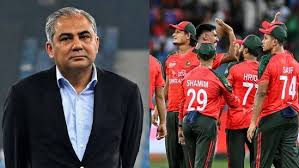
Tensions between Bangladesh and India have spilled out of the cricket field and into the global diplomatic arena, prompting concern from the International Olympic Committee (IOC) over India’s long‑term goal of hosting the 2036 Olympic Games. What began as a controversial cricket dispute in the buildup to the ICC Men’s T20 World Cup 2026 has suddenly taken on broader implications for international sports governance and regional cooperation.
At the center of the controversy is Bangladesh’s decision to withdraw from the T20 World Cup, which is co‑hosted by India and Sri Lanka. The Bangladesh Cricket Board (BCB) formally requested that their group‑stage matches, originally scheduled in Indian cities like Kolkata and Mumbai, be relocated to Sri Lanka over security concerns for their players following the removal of Bangladeshi pacer Mustafizur Rahman from his Indian Premier League squad—an action that ignited political and social controversy. When the International Cricket Council (ICC) refused to shift the fixtures, Bangladesh opted not to travel to India for the tournament.
From Cricket Dispute to Olympic Diplomacy
The fallout from Bangladesh’s exit goes beyond cricket. According to multiple reports, IOC officials are now closely monitoring the situation, worried that the politicization of sport could undermine India’s bid to host the 2036 Olympics—a bid that has been gaining momentum following India’s successful award of the 2030 Commonwealth Games in Ahmedabad. The IOC’s charter emphasizes neutrality and independence from political influence, and the organization has historically signaled that boycotts or political tensions involving host nations could jeopardize their Olympic aspirations.
The concern is not merely theoretical. The IOC’s zero‑tolerance approach to political interference was highlighted most recently when Indonesia faced consequences for denying visas to a competing national team ahead of an international event, a decision that affected its standing in future hosting discussions. In the current controversy, the involvement of a cricket board perceived as being closely aligned with domestic political influence—especially given India’s prominent role within the ICC—has added to the IOC’s unease.
Regional Repercussions
The cricket dispute has also strained regional sporting relations more broadly. Pakistan has reportedly considered boycotting the T20 World Cup in solidarity with Bangladesh, which would further complicate the tournament’s integrity and deepen diplomatic tensions in South Asia. Should multiple countries choose to avoid sporting ties with a prospective Olympic host, the IOC may view such political fragmentation as incompatible with the spirit of global unity that the Games are meant to embody.
For India, which has been working to present itself as a rising hub for international sport—with investments in infrastructure, preparations for the Commonwealth Games, and ambitions to attract global events—the cricket dispute is an unwelcome distraction. The timing could not be more sensitive: with cricket set to return to the Olympic program in Los Angeles in 2028 and Brisbane in 2032, the sport’s global appeal is a key asset for any Olympic host but only if it remains free from political conflict.
The Challenge of Navigating Sports and Politics
The situation illustrates a broader challenge facing major sporting nations: balancing national pride, geopolitical disputes, and international sporting norms. While the ICC operates with significant autonomy and often tolerates political tensions among member boards, the IOC holds a stricter standard, enforcing rules designed to keep sport insulated from national political agendas. This difference in institutional priorities has placed India in a delicate position as it seeks to convince the world’s premier sporting body that it can host the Olympics without controversy.
Looking Ahead
As the dispute unfolds, India may be compelled to demonstrate tangible improvements in regional relations and sports diplomacy to reassure the IOC. For Bangladesh, the row has reaffirmed the powerful role that national sentiment and safety concerns can play in international sport governance. Ultimately, the intersection of cricket diplomacy and Olympic aspirations may define not just one tournament or one host bid, but the evolving dynamics of international sport in a politically charged era.
Chelsea’s Europe Race Faces Collapse Amid Fierce Run-In

Konaté Shines as Liverpool Crash Out to PSG in UCL Exit

Western firms linked to global illegal betting networks

McIlroy Defends Masters Title in Dramatic Augusta Finish

Great Britain dumps Australia Out of the BJK Cup Qualifier

McIlroy Storms to Six-Shot Masters Lead After Stunning 65
